Street documentary
For grounded records, use location, weather, lens feel, wardrobe, and color temperature instead of generic luxury imagery.
Hip hop artwork without generic templates
Build cover art for rap albums, trap projects, drill singles, and underground releases. Give the AI your artist name, title, subgenre, city, visual tone, and typography direction, then shape a cover that feels specific to the record.
Jump into the workspace with your details. Sign in only when you generate.
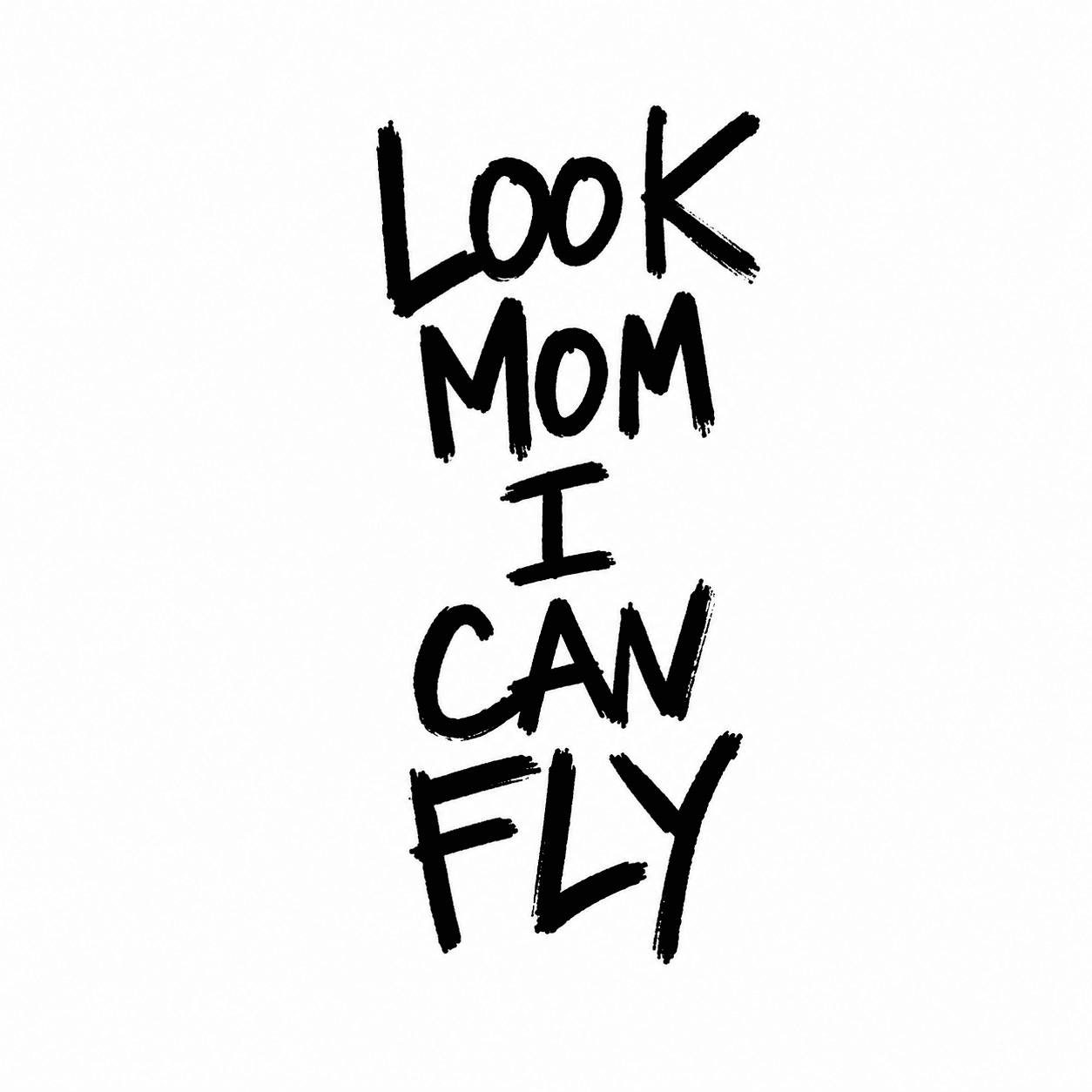
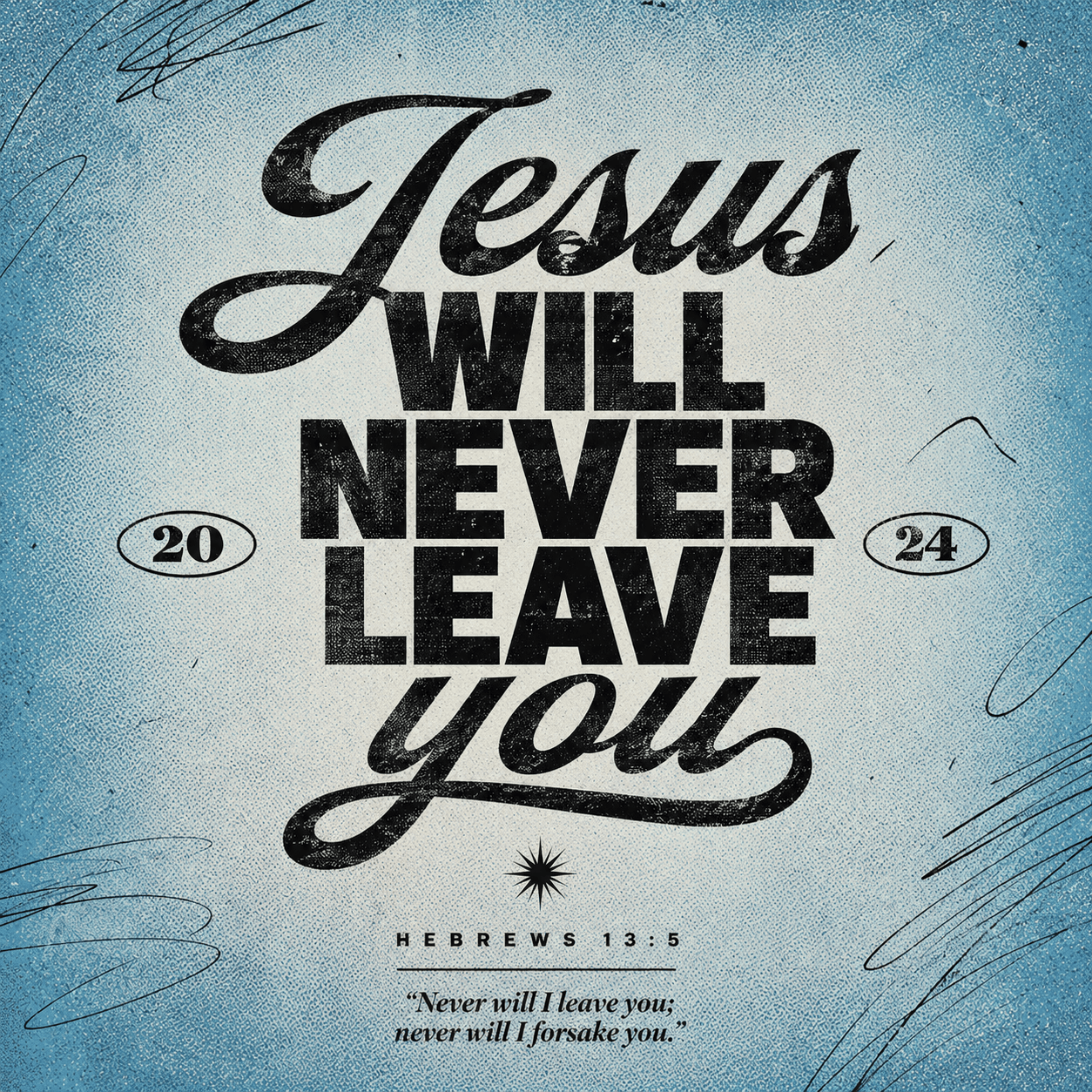
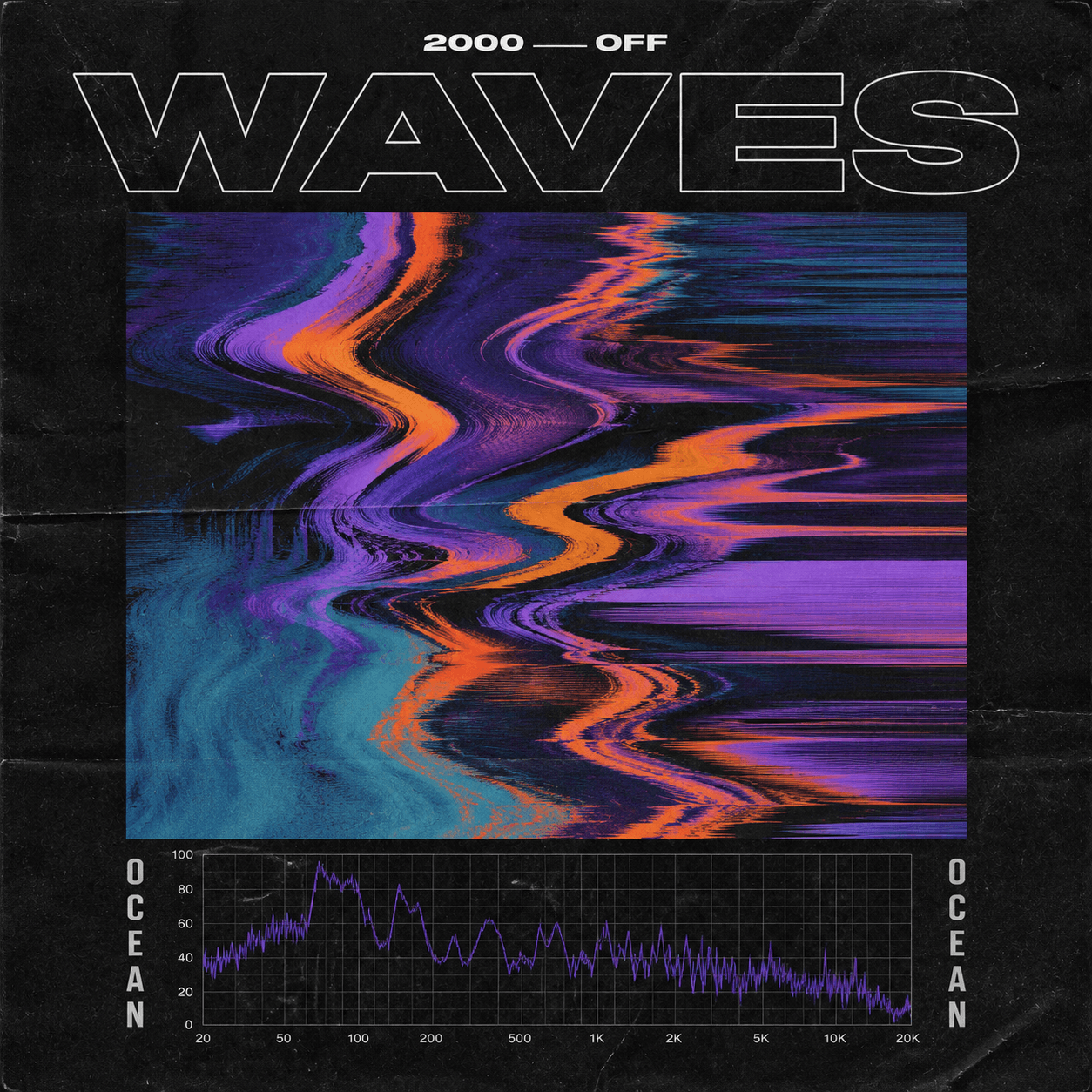
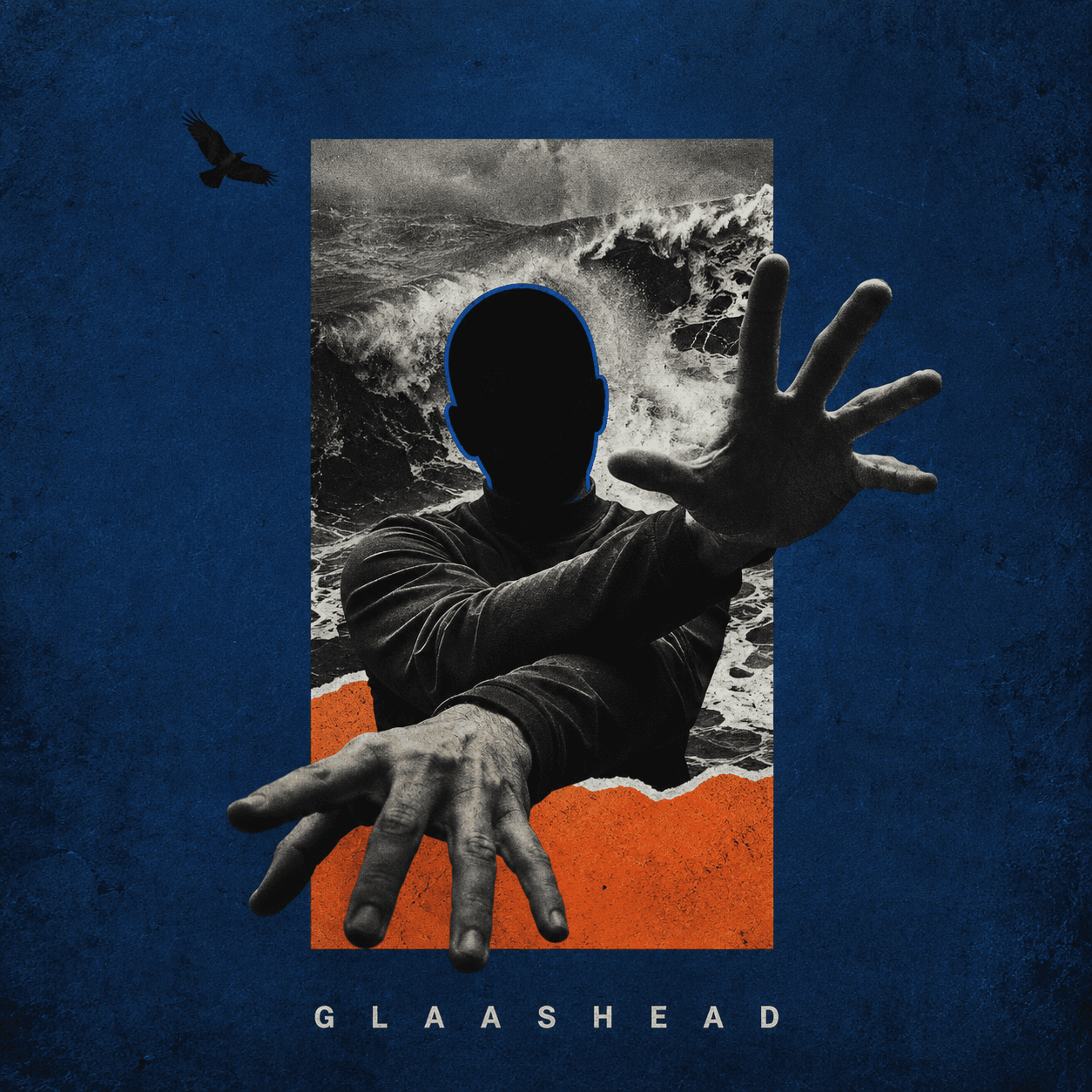
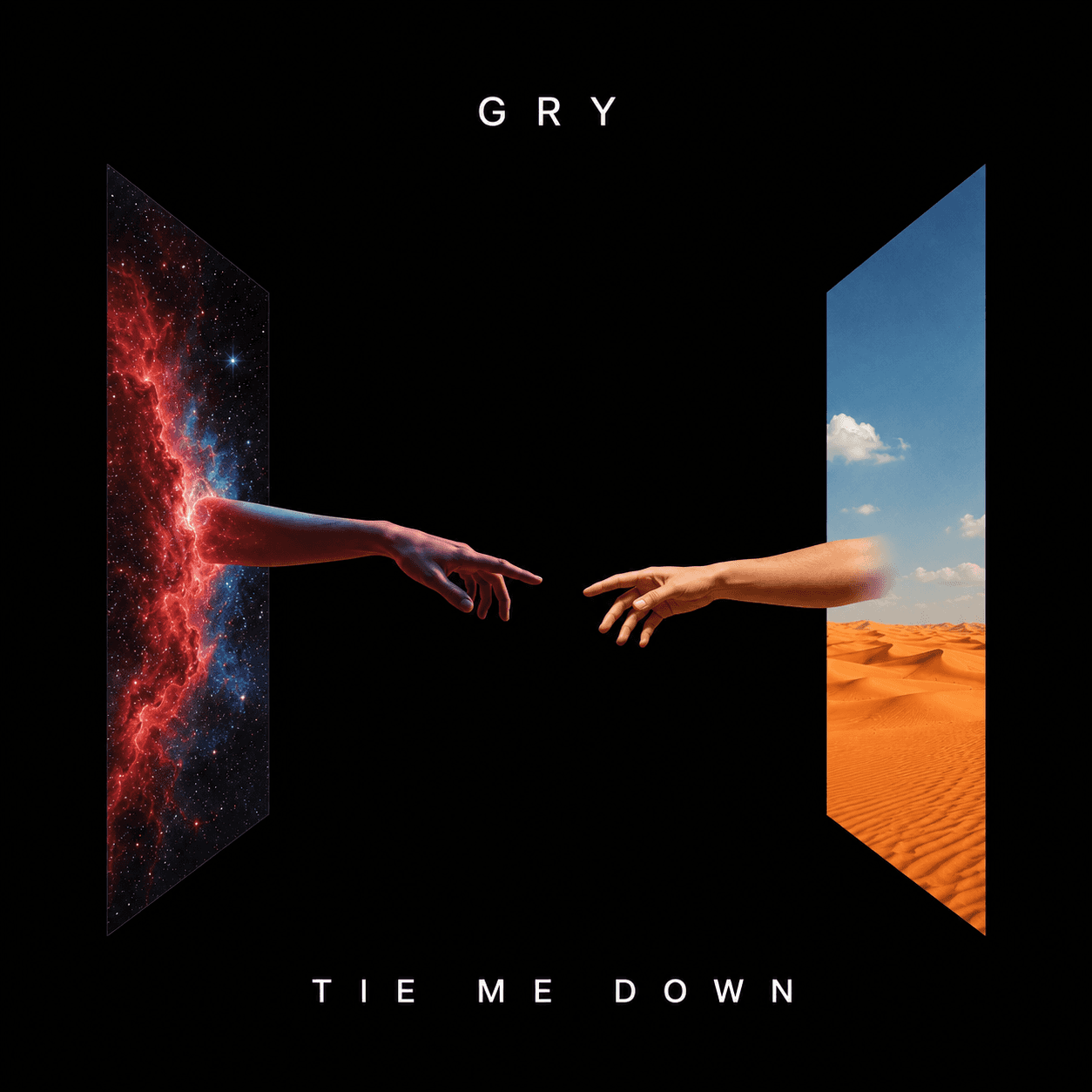
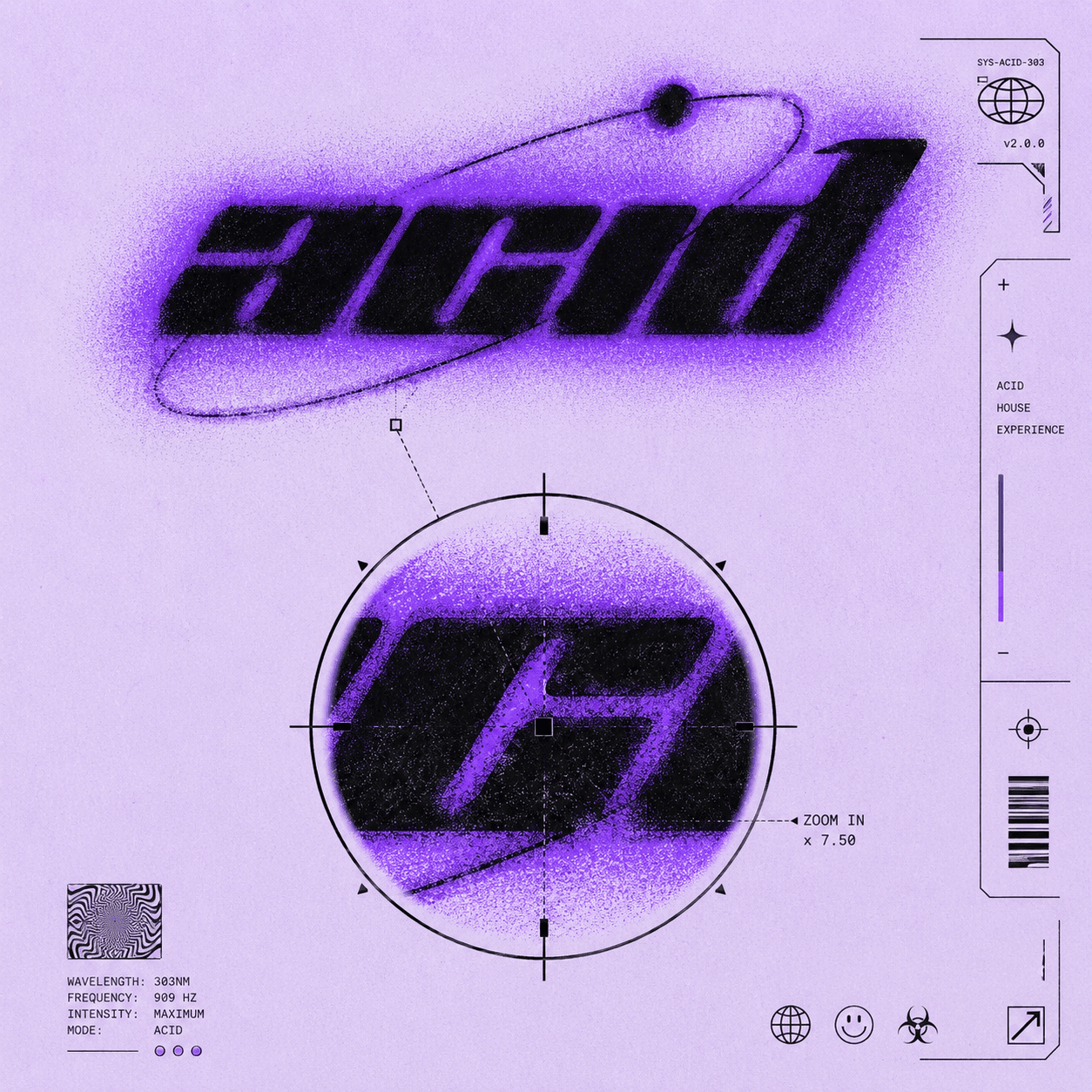
Rap cover directions
For grounded records, use location, weather, lens feel, wardrobe, and color temperature instead of generic luxury imagery.
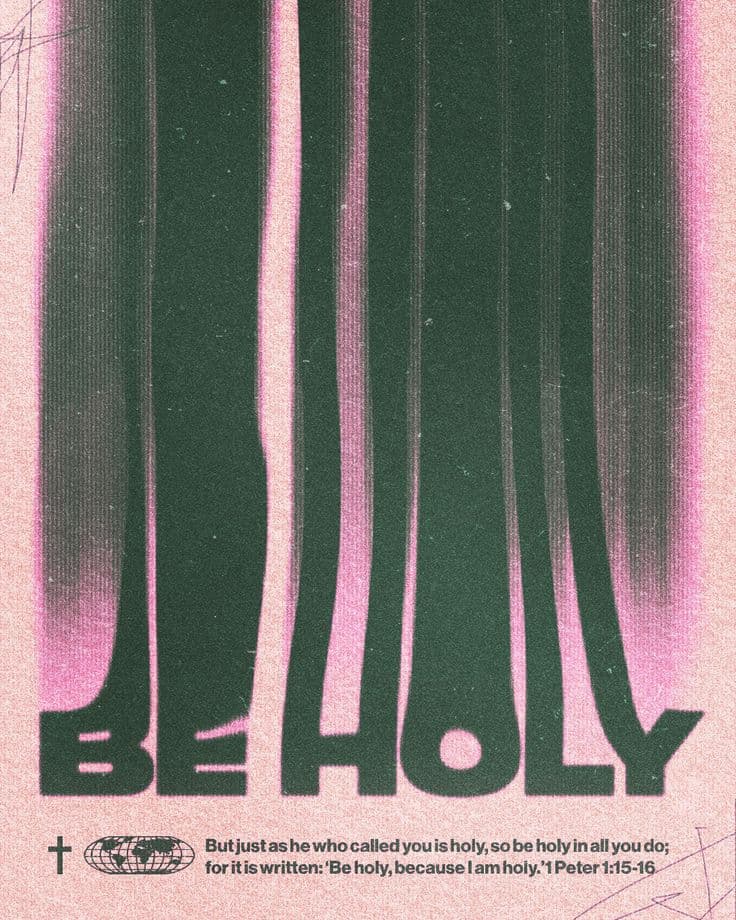
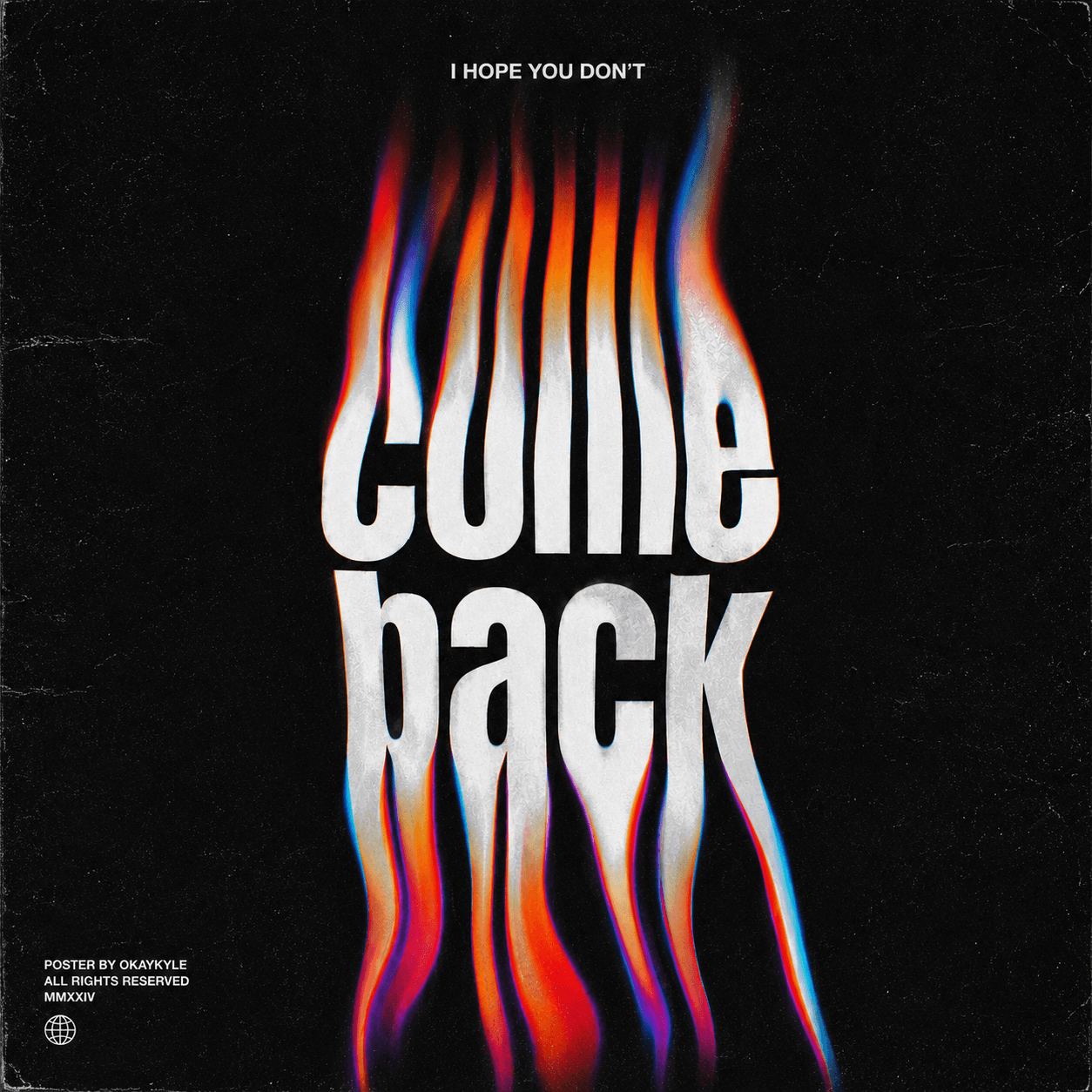
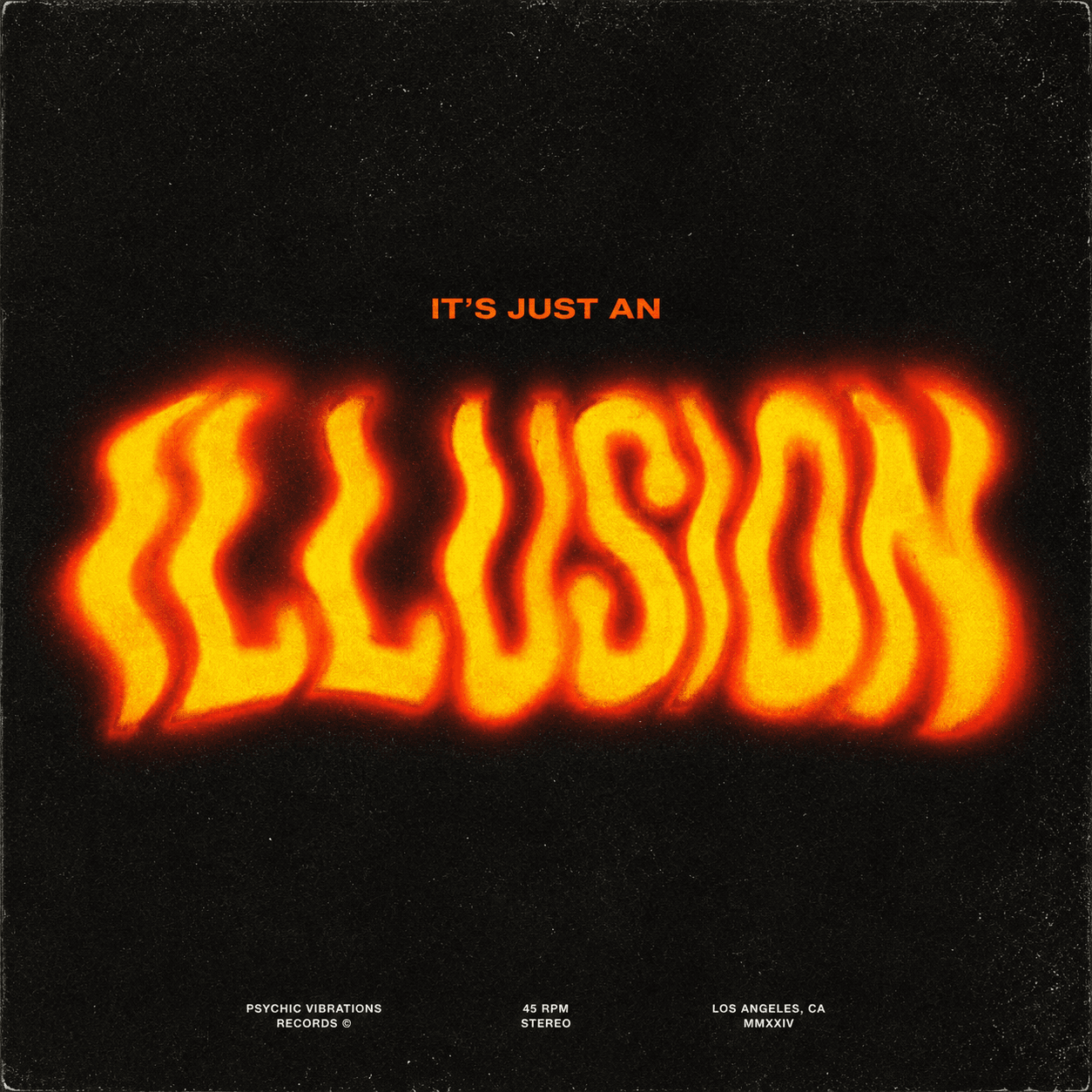
Lean into chrome, harsh flash, high contrast, stickers, warning labels, and distorted type when the record is loud and aggressive.
A single symbol can carry a serious rap album better than a crowded collage. Use negative space when the voice is the main event.
Paper texture, barcode details, jewel-case marks, and old-web typography can reference classic mixtape culture without copying a known cover.
A rap album prompt should describe the artist's world. The more precise you are about setting, lens, texture, type, and emotional tension, the less likely the output is to collapse into generic money, cars, smoke, and chains.
Artist name, album title, subgenre, city or environment
Mood: cold, triumphant, paranoid, romantic, hostile, reflective
Lighting: direct flash, sodium street light, overcast daylight, club haze
Texture: glossy print, photocopy, dust, tape wear, cracked plastic
Typography: huge title, tiny credits, sticker label, no text
Avoid: real logos, celebrity likeness, copyrighted characters
Rap visuals move fast. The safest SEO and release strategy is not to mimic famous covers, but to develop a repeatable visual lane for the artist.
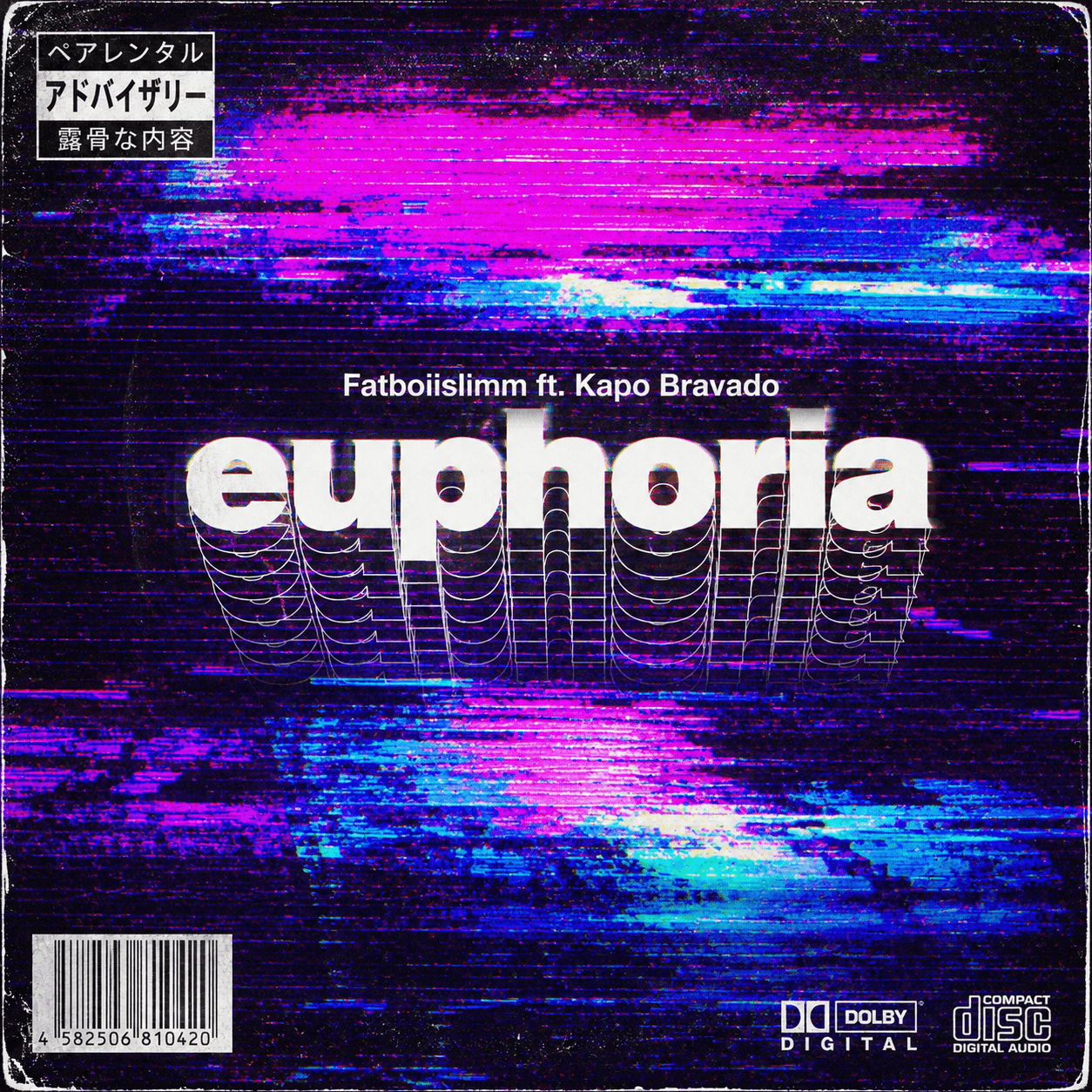
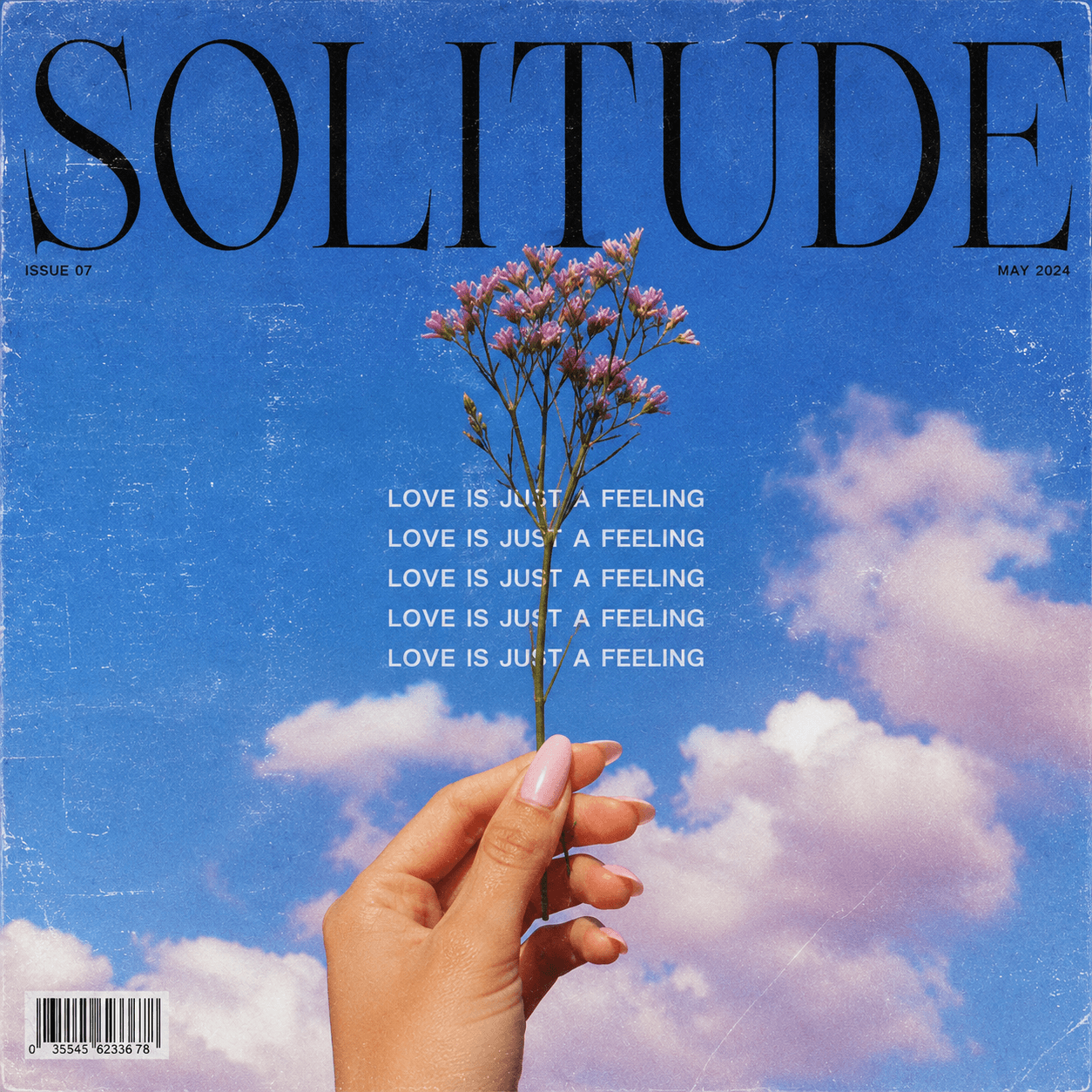
Rap album cover FAQ
Strong rap cover art usually has a clear attitude, readable hierarchy, and a visual world that matches the artist's voice. It can be gritty, luxury, minimal, surreal, or editorial, but it should not feel generic.
Yes. Describe the subgenre, setting, colors, energy, and typography direction. Avoid prompts that request real artists, brand logos, or copyrighted characters.
Only if the portrait strengthens the release. Some rap covers work better with symbols, objects, architecture, typography, or an abstract scene that captures the record's mood.
CoverArt AI is built for commercial music artwork workflows, but you should always review the final image for third-party marks, likenesses, and platform or distributor restrictions before publishing.
Build the cover around the voice
Jump into the workspace with your details. Sign in only when you generate.